
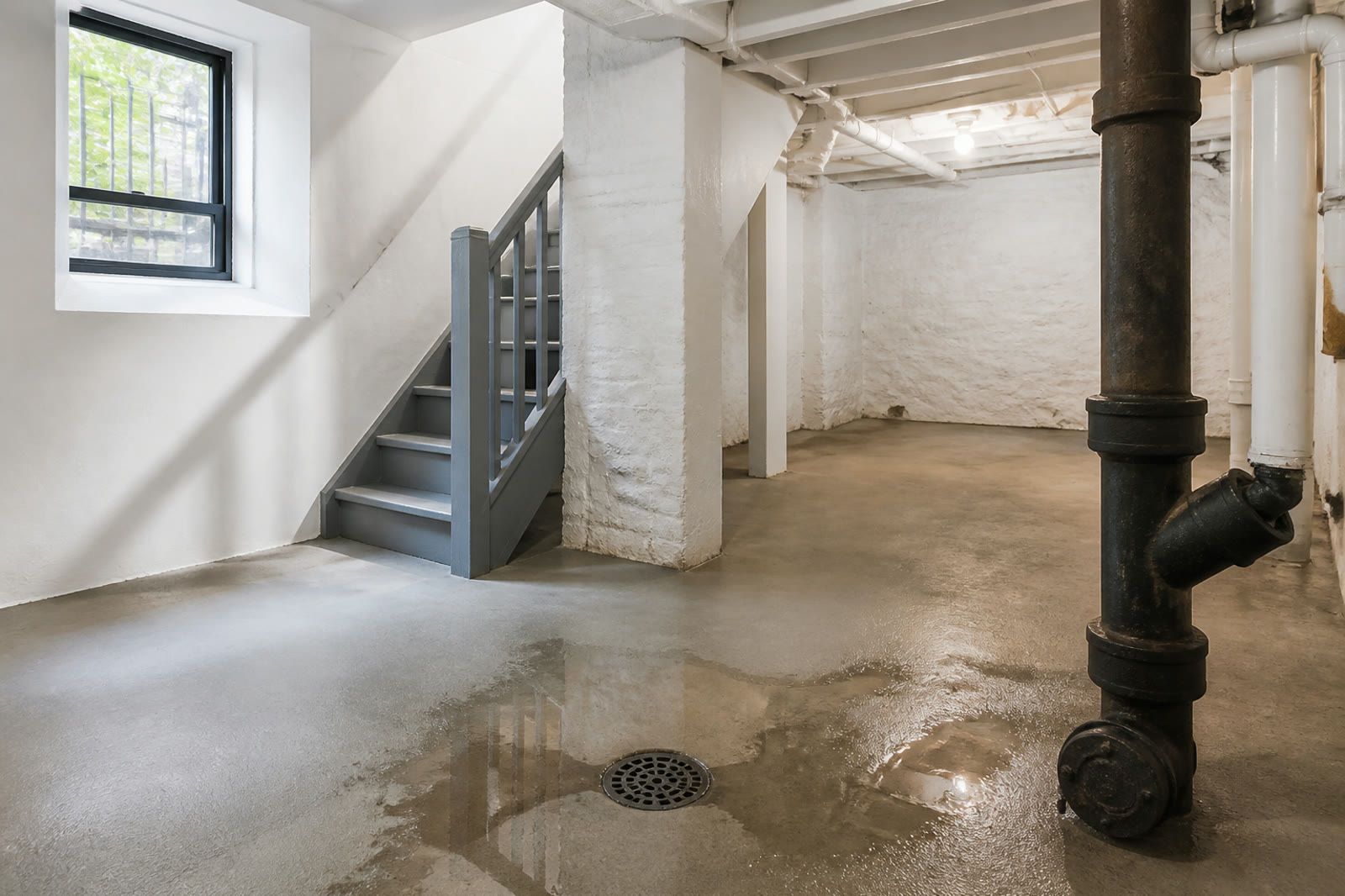
How to Prevent Water From Getting Into the House
Water can enter a Brooklyn house over the ground, through a wall, from below the floor or back through a drain. Each path calls for a different response. Before the next storm, look for the first place water appeared and the conditions around it. A sewer repair will not stop every kind of flooding.
If a flash flood warning is issued, follow official instructions and move to a higher floor. Do not wait for water to enter a basement. If you are trapped or in immediate danger, call 911. NYC Emergency Management’s flood guidance explains how to prepare and respond.
Find the path before choosing a fix
- Surface water: rain can collect at cellar stairs, a hatch, a doorway or a window well and enter through a low opening.
- Walls and openings: water can pass through a foundation crack, deteriorated joint or an opening around a pipe.
- Groundwater: saturated ground can bring water through a floor or the joint where the wall meets it.
- Drains and fixtures: water coming up through a floor drain, laundry sink or toilet may be a sewer backup. A private-line blockage and a surcharged public sewer are different possibilities.
If you can do so safely, record where you first saw water, the weather, and which fixtures were in use. A photo taken from a safe location may help a contractor understand the path. The first visible wet spot is a clue, not always proof of the entry point.
Reduce surface-water routes
Before a storm, check gutters and downspouts from a safe position. Clear accessible debris and look for disconnected downspouts or discharge collecting against the foundation. Ask a qualified contractor about a suitable discharge route for your property. Do not direct water into a cellar stairwell.
Look at the ground around the building. Where feasible, grading that directs surface water away from the foundation can help. On a tight lot, discuss the layout and neighboring property with a qualified professional before changing it.
Clear leaves and debris from accessible window wells, cellar stair landings and their drain covers. Do not open a drain or enter a flooded area to test it. If a well repeatedly fills, have its drainage and the surrounding opening evaluated. Check doors and hatches for visible gaps or damage and arrange repairs where needed.
Consider walls and water below the floor
A damp wall, a wet stripe or water at the wall-floor joint can help show where to look. Photograph the pattern safely before it dries. A foundation or waterproofing contractor can assess wall openings and below-floor water. Sealing a visible spot without understanding its source may not solve the problem.
If you have a sump pump, arrange maintenance and testing according to its instructions before a storm, when conditions are safe. Ask a qualified professional whether a pump is appropriate for your water path and where it would discharge. It is not a substitute for identifying how water enters.
When water comes up through plumbing
If a drain or fixture is the first place water appears, tell us whether the problem occurs only during rain or also during dry weather. Slow or gurgling fixtures before a storm can be useful history. The basement flooding guide explains the rain-related pattern.
A camera inspection may show roots, buildup or damage in accessible pipe sections when the view permits. Standing water or debris can hide a section, and the camera alone cannot determine every cause of a backup. Drain cleaning may clear an obstruction. It does not repair every damaged pipe or prevent a public sewer from surcharging.
A backwater valve may be an option for a suitable property, but it will not stop surface water or groundwater entering around the building. Ask a qualified contractor about suitability, maintenance and the requirements for your particular job. Our backwater valve guide explains the decision. NYC DEP describes several distinct flooding paths.
Prepare before the forecast worsens
Keep exits clear and know how you will get to a higher floor. Move documents, electronics and other valued items off the cellar floor in advance. If you have had a backup, record when it happened and which fixture was affected first. Note the weather and keep any service records. Sign up for local emergency alerts and discuss insurance coverage with your provider.
If water is entering now
Move away from floodwater and do not enter a flooded basement. Floodwater may contain sewage and can carry electrical current. Do not touch wet electrical equipment. During a flash flood warning, move to a higher floor and follow officials’ instructions. Call 911 if trapped or in immediate danger. Do not return to a flooded area until officials say it is safe. For non-emergency sewer backup or flooding reports, NYC directs residents to 311.
When safe, tell your building manager or contractor where the water first appeared. If wastewater is backing up, stop using affected fixtures and keep people and pets away. Our emergency service page has our contact information. For a prevention assessment, call (718) 517-0800 or contact Brooklyn Sewer Solutions.